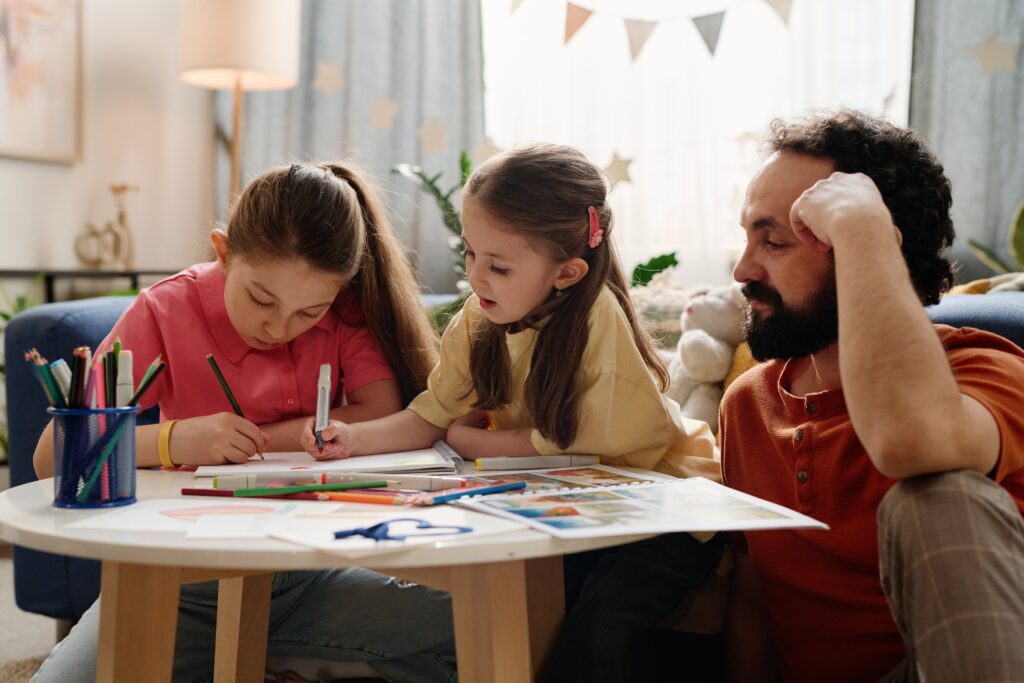

In a world embracing diversity, introducing children to new languages and cultures is crucial. For parents of Arabic heritage or those seeking to expand their child’s linguistic horizons, Arabic picture books present a wonderfully engaging and accessible entry point. This article explores the unique power of picture books in fostering early Arabic language learning, highlighting the benefits and providing practical tips for parents embarking on this exciting journey.
Why Picture Books? The Magic of Visual Storytelling:
Picture books are not simply stories; they are gateways to imagination, fostering a love for language and a deeper understanding of the world. In the context of Arabic learning, they offer a multitude of benefits:
- Engaging Visuals: Picture books utilize vibrant illustrations that capture the child’s attention, making the learning process more enjoyable and stimulating. Visuals aid in comprehension, especially for young learners who are still developing reading skills.
- Repetitive Language: Many Arabic picture books feature repetitive language patterns and simple sentence structures, which help children become familiar with common phrases and vocabulary. This repetition fosters early language acquisition and makes learning more accessible.
- Cultural Immersion: Picture books often depict aspects of Arabic culture, traditions, and daily life, exposing children to a rich and vibrant world beyond their immediate experience. This cultural immersion fosters empathy, open-mindedness, and a global perspective.
- Introducing the Alphabet: Arabic picture books naturally introduce children to the Alif Baa alphabet. Visualizing the letters within a story context helps them associate the letters with sounds and words, making the learning process more engaging and less daunting.
Choosing the Right Picture Books:
With a plethora of Arabic picture books available, choosing the right ones for your child is crucial. Consider these factors:
- Age Appropriateness: Select books that match your child’s developmental stage and reading level. Look for books with simple language, repetitive phrases, and age-appropriate illustrations.
- Story Appeal: Choose books with engaging plots, relatable characters, and themes that resonate with your child. This will make reading sessions more enjoyable and encourage them to engage with the language.
- Cultural Authenticity: Opt for picture books that authentically represent Arabic culture and traditions. Look for books by Arabic authors and illustrators who have a genuine understanding of the culture they are portraying.
Maximizing the Benefits of Arabic Picture Books:
To unlock the full potential of Arabic picture books, engage your child in a variety of interactive activities:
- Read Aloud Regularly: Make reading a daily ritual, even if it’s just for a few minutes. Reading aloud helps children develop listening skills, learn new vocabulary, and become familiar with the rhythm and intonation of Arabic.
- Engage in Interactive Reading: Ask questions about the story, encourage your child to retell parts of the story, and point out interesting words and phrases. This active engagement enhances comprehension and fosters a deeper understanding of the language.
- Connect to Real-World Experiences: Discuss the themes and characters in the book, connecting them to real-life experiences or cultural elements. This helps children make meaningful connections between the story and their own lives.
- Practice Pronunciation: Point out specific words or phrases in the book and practice pronouncing them together. You can also use resources like this YouTube video to reinforce correct pronunciation of Arabic letters.
- Explore Cultural Connections: Talk about the cultural aspects depicted in the book, such as traditional clothing, food, or customs. This helps children appreciate the richness and diversity of Arabic culture.
Recommended Resources:
- Rochdi’s Books: Explore Said Rochdi’s books, such as My First 100 Words in Arabic, which offer a fun and engaging introduction to basic Arabic vocabulary and concepts.
- Online Libraries: Online platforms like [link to online library] provide a selection of Arabic picture books that can be accessed for free.
- Local Libraries: Many public libraries have a collection of Arabic picture books. Contact your local library to inquire about their selection.
Beyond Picture Books: Enhancing Arabic Learning:
While picture books provide a wonderful foundation for early Arabic learning, incorporating other activities and resources can further enhance your child’s language development.
- Arabic Songs and Rhymes: Play Arabic children’s songs and rhymes, focusing on those with repetitive lyrics and catchy melodies. This helps children learn new words and phrases while enjoying the music.
- Arabic Games and Activities: Engage in simple Arabic-themed games, such as “Memory Game” to practice vocabulary and pronunciation in a fun and interactive way.
- Arabic Language Classes: Consider enrolling your child in an Arabic language class or hiring a tutor to provide personalized instruction. This provides structured learning experiences and helps reinforce skills learned through picture books.
The Power of Consistency:
Remember, the key to successful language learning is consistency. Create a routine where you regularly read Arabic picture books, sing Arabic songs, and engage in other Arabic-related activities. The more frequently your child is exposed to the language, the more proficient they will become.
For Bilingual Learners:
For children already learning another language, introducing Arabic can create a rich and rewarding learning experience. Picture books offer a great way to introduce them to new concepts and vocabulary, especially when paired with other activities and resources. Encouraging them to explore Arabic alongside their existing language can be a truly enriching process.
Conclusion:
Arabic picture books are a powerful tool for fostering early language learning and cultural awareness. By embracing the power of visual storytelling and engaging your child in interactive activities, you can create a fun and enriching experience that sparks their love for the Arabic language and culture. As you embark on this journey, remember that every shared story, every new word learned, and every cultural connection made strengthens your child’s foundation for future learning and global understanding.